Boston took care of business against Washington on Tuesday, and Detroit kept the race with Orlando and Toronto open. Miami has the cleanest next step in the East. A win at Philadelphia clinches its group on Wednesday, November 25. The West has more moving pieces, including a Houston game in which the margin matters and a pair of late matchups that can rearrange Group C.
This 2026 NBA Cup clinching snapshot starts after the November 24 Eastern games went final and before Dallas–Denver went final. The routes below reflect the standings at that point in the tournament. A team can win an elimination game and still need help elsewhere, while a group winner’s fate may already be decided without a large final margin. The most useful place to begin is with the games that have already counted.
What Tuesday night locked in
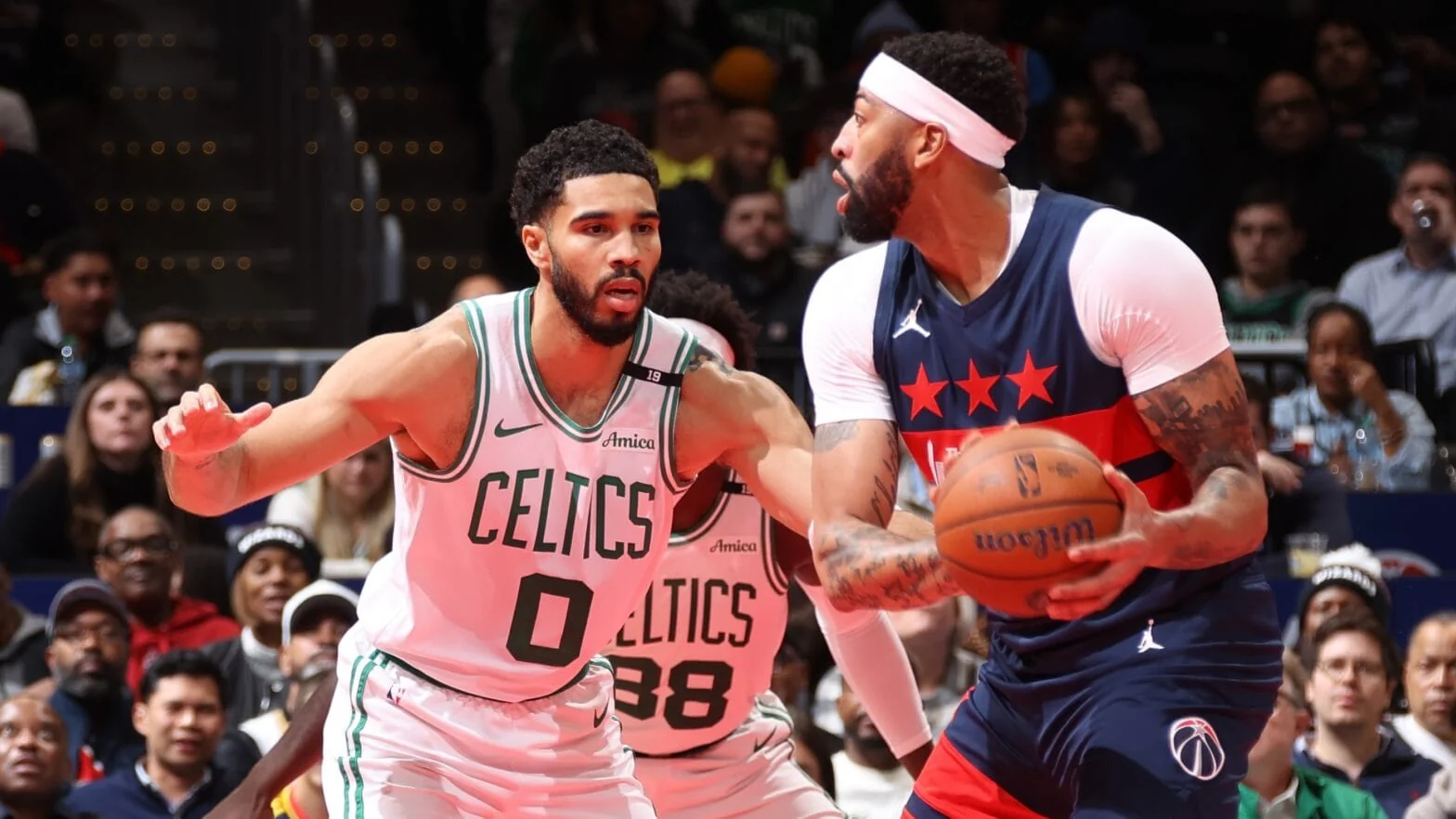
Boston beat Washington 131-116, and Detroit beat Orlando 104-86. Those two November 24 finals immediately changed the Eastern Conference picture. Boston moved to 3-0 in East Group C with a game against Atlanta left. Orlando finished its own group schedule at 3-1, suddenly dependent on results it cannot control. Detroit kept a path open at 2-1, and its 18-point win lifted its Cup point differential to plus-31. In the West, Dallas and Denver were still playing when this snapshot was taken, so treat that game's result as the first item to refresh. The two Eastern finals already clear up which portions of the NBA's Tuesday morning scenarios are out of date. NBA's Nov. 24 recap · Dallas-Denver game center
There was a revealing stretch late in the Boston game. Washington trimmed the deficit to seven with 3:59 left, putting the result and margin back in play. Boston finished 15 points ahead after Baylor Scheierman hit two late threes, and Jayson Tatum finished with 41 points. Those extra points can matter if Boston ends up using the wild-card route or comparing its record and margin with the other group winners for seeding. The 15-point margin improved its cumulative Cup differential, but the most direct way to finish the job remains winning the remaining game. Friday's Boston-Atlanta matchup gives fans a game to prioritize ahead of a long list of possible margin comparisons. Celtics-Wizards game center
Orlando's loss illustrates a different kind of uncertainty. The Magic cannot improve their record or differential because they have played all four games. Detroit and Toronto have games left. With an Orlando win already recorded against Toronto and a Detroit win now recorded against Orlando, the head-to-head picture can change depending on who reaches three wins. Compare only the teams actually tied after the remaining games. If only two clubs end up level, the result between those clubs is the relevant one. If all three level up, you must account for the full set of results before looking at the margin column. Tuesday gave Detroit a result it needed and made the group worth following all the way through its last game. It did not by itself determine who will host a quarterfinal. Pistons-Magic game center · NBA Cup group standings
The early Denver condition is equally easy to keep straight. The Nuggets entered their game knowing a win would secure their group. Dallas went into the same game needing its own win and a later Phoenix loss for its straightforward route. A reader looking at a quarter score cannot treat either condition as fulfilled. The game center gives the final result when available, and the group standings show how the result was applied. Until those two records agree, keep the branches separate. Write down the outcome you need first, then the outcomes in other games that can matter once it lands. Denver's pregame scenarios
How Wednesday can settle the East
Wednesday gives the East a straightforward opening question at 5 p.m. ET. Can Miami win one more Cup game? The answer sets the tone for a night when teams in other groups will also be watching the standings. Philadelphia still has room to change the shape of Group B, and Cleveland plays soon after the first game. Start with the group race before working out what either result could mean for a second-place team.
East Group B starts with Miami at Philadelphia
Miami comes into Philadelphia 2–0 in Group Play. A win over the 76ers puts the Heat at 3–0 and clinches the group, according to the NBA. The important result in the bank is their win over Cleveland. The Cavaliers have already lost once in this competition and can reach no better than 3–1. If Miami were to lose its last game after beating Philadelphia, its head-to-head win would still give it the edge over Cleveland. The 76ers, meanwhile, would have picked up a second loss in that branch of the race. The NBA's clinching tracker confirms Miami’s win-and-in scenario.
Now reverse the first result. Philadelphia would move to 2–1 and go into Friday’s game at Indiana with a path to 3–1. Give the 76ers that second win and give Cleveland a loss at New York on Wednesday, and Philadelphia would take first. Miami could also finish 3–1 in that example, but the 76ers would own their head-to-head meeting. Add a Cleveland win instead, and the three teams could all reach 3–1. Miami beat Cleveland, Cleveland beat Philadelphia, and Philadelphia would have beaten Miami. That circle would make the four-game point differential the next thing to inspect. The NBA fixture and results ledger has the Cup meetings needed to follow either branch.
What to watch in the East wild-card race
Orlando has already gone 3–1, which gives Magic fans a useful benchmark when looking around the conference. Their immediate concern is whether they finish first or second in Group A. A group winner skips the wild-card comparison, while a runner-up drops into it. Miami winning its group early would settle one piece of that calculation, but Cleveland’s result at the Knicks and Philadelphia’s finish would still determine what sort of runner-up comes out of Group B. A 3–1 team in the East can find itself competing against another 3–1 club it never met in the Cup.
Imagine two second-place teams finishing with three wins and one loss, one at plus-18 and the other at plus-12. The higher eligible point differential would come first in that conference’s wild-card ordering. A regular-season game the clubs played outside Group Play has no bearing on that comparison. Keep the conference and group labels in view when you check the official Cup standings, especially while Friday’s scoreboards are still moving.
Why the West can come down to a scoring margin
Three West groups have games on Wednesday, and even fans watching a team with a clear path to first may want to keep another score handy. Club records determine who can finish together. Only then does the margin determine which of those clubs has an edge. Houston and Golden State arrive at the same night with a mathematical reason to care about the final possession, though their paths through the standings are different.
Houston's margin and the West wild card
Houston hosts Phoenix at 8:30 p.m. ET. The Rockets' first three Cup results included a five-point loss at Dallas, a seven-point win over Utah and a nine-point loss to Denver. Those margins put Houston at minus-7. A four-point regulation win would take it to minus-3 and a twelve-point regulation win would take it to plus-5. The game result is the same on both sides of that example, but the second line has a better chance of surviving a tied wild-card comparison. See the NBA's Cup game ledger for the three scores.
The league's pregame scenario sheet included elimination for Houston with a win of four points or fewer. A win by five only clears that particular hurdle. Other results can independently close Houston’s path, so a margin number on its own cannot tell you whether the Rockets advance. Timberwolves–Thunder and Clippers–Grizzlies are the other West games to watch early because the league's scenario sheet also links some West Group A outcomes to West Group B results. The original clinching and elimination sheet provides the dependencies.
Overtime creates a wrinkle. A Cup win in overtime still improves the team’s record, but it adds zero to its tiebreak point differential. If a team needs separation on the margin line, a regulation lead in the closing minutes has a value that a comparable overtime lead does not. For the total-points tiebreak, use the points at the end of regulation in an overtime game. The NBA Cup rules account for both cases.
Where Golden State and Portland fit
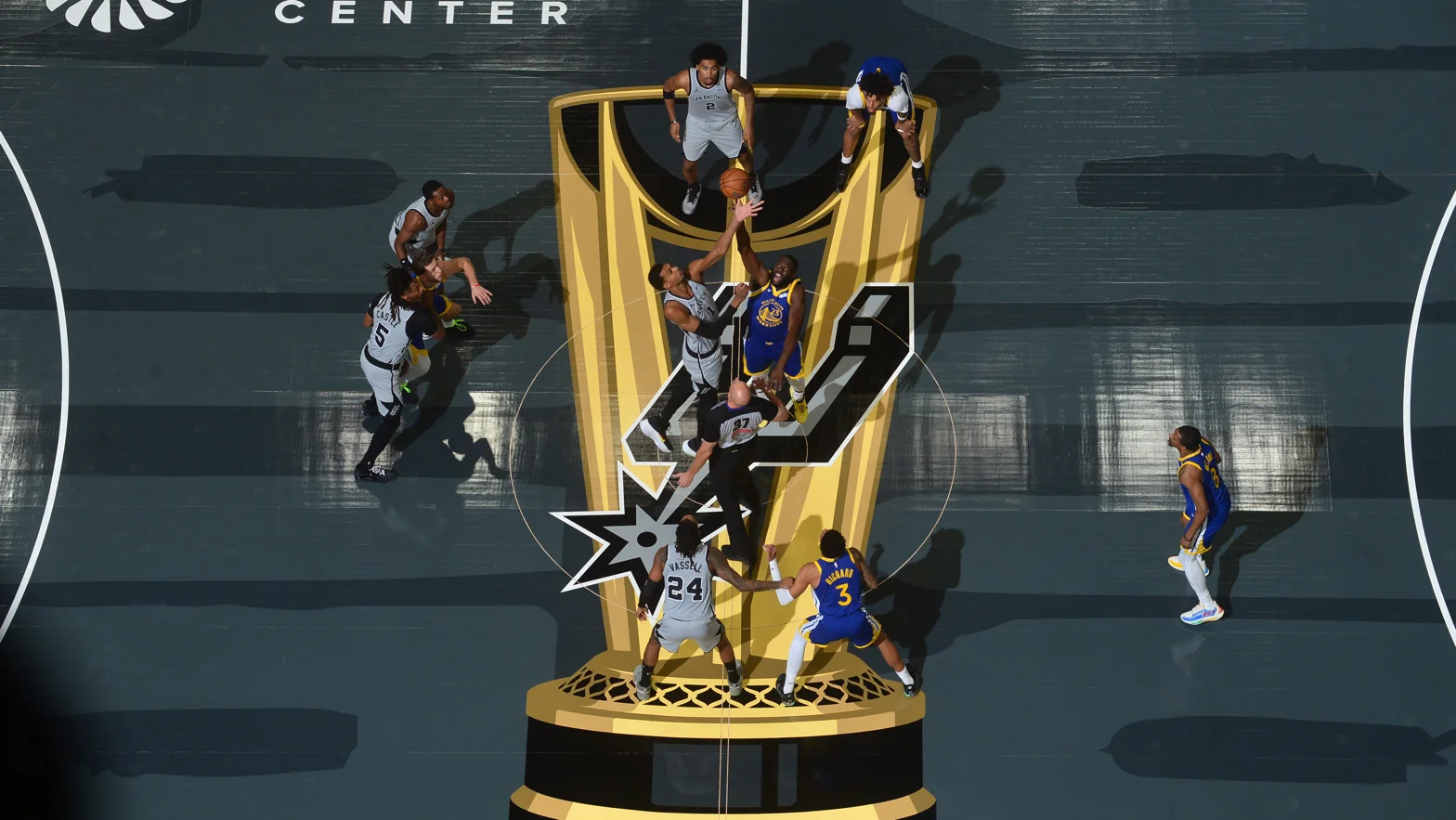
Golden State's first two games are a useful illustration of how uneven wins and losses accumulate. The Warriors beat the Lakers by 17 on October 30 and lost to San Antonio by 38 on November 13. Their record was 1–1 and their differential was minus-21. A fan who only checks the record could miss how much ground that second game cost Golden State in a margin-based tie.
The Warriors host Sacramento and the Spurs visit Portland on Wednesday. On Friday, Golden State visits Portland and the Lakers play at San Antonio. Give Golden State two wins, give San Antonio a win in Portland, then give the Lakers a win in San Antonio, and those three clubs would all finish 3–1. Each would have beaten one of the other two. In that example, winning late against Portland by a wide margin could move the Warriors in a way a late one-point win could not. The Warriors' Cup schedule has their game results and Friday matchup.
How to follow the last night without mixing up the tiebreakers
Start Friday, November 27, with the groups still open. Miami visits New York at 7 p.m. ET, and the Detroit and Toronto games are both listed for 7:30 p.m. ET. Boston hosts Atlanta at 8 p.m. ET. It can feel as if the East has settled as soon as an early game ends, but the last word on a wild card can come from a different group. Mark each result as official only once the scoreboard goes final. Live scores can support a running calculation that changes on each possession. They cannot settle a spot that still depends on another game.
In the West, look for Dallas at Phoenix at 9 p.m. ET and the late cluster at 9:30 p.m. ET, which includes Warriors–Trail Blazers and Lakers–Spurs. Write down who leads each group first. For example, a second-place team at plus-30 may look safe before a late game. If it finishes third after a head-to-head decision, that plus-30 never reaches the wild-card calculation. If it stays second and another runner-up wins late to match its record, only then does the differential comparison become relevant. Use the Cup standings alongside the league's Friday listings.
For a group tiebreak, start with the Cup meeting or meetings between the level teams. For the wild card, start with the Cup records of the three runners-up from that conference. Skip head-to-head when comparing those runners-up. Both procedures can use total points scored after differential. If teams are still tied, the 2025–26 NBA regular-season record comes next, and a random drawing is the last step if the earlier rules leave a tie. Most readers will only need the opening steps, but there’s a practical difference between looking for a team’s prior-season record and reaching for its current November win percentage. The official format specifies the year.
Keep a separate tab for the schedule so you can move between games. The Miami–Philadelphia game page has the Wednesday tipoff and U.S. television listing. Use recent NBA scores and quarter breakdowns to look back at games that have ended. A five-point overtime win, for example, will show a five-point margin on a results page. In your Cup notes write down the win and a zero for the differential. If the result alone makes it hard to see which points came in overtime, the regulation and overtime columns will separate them.
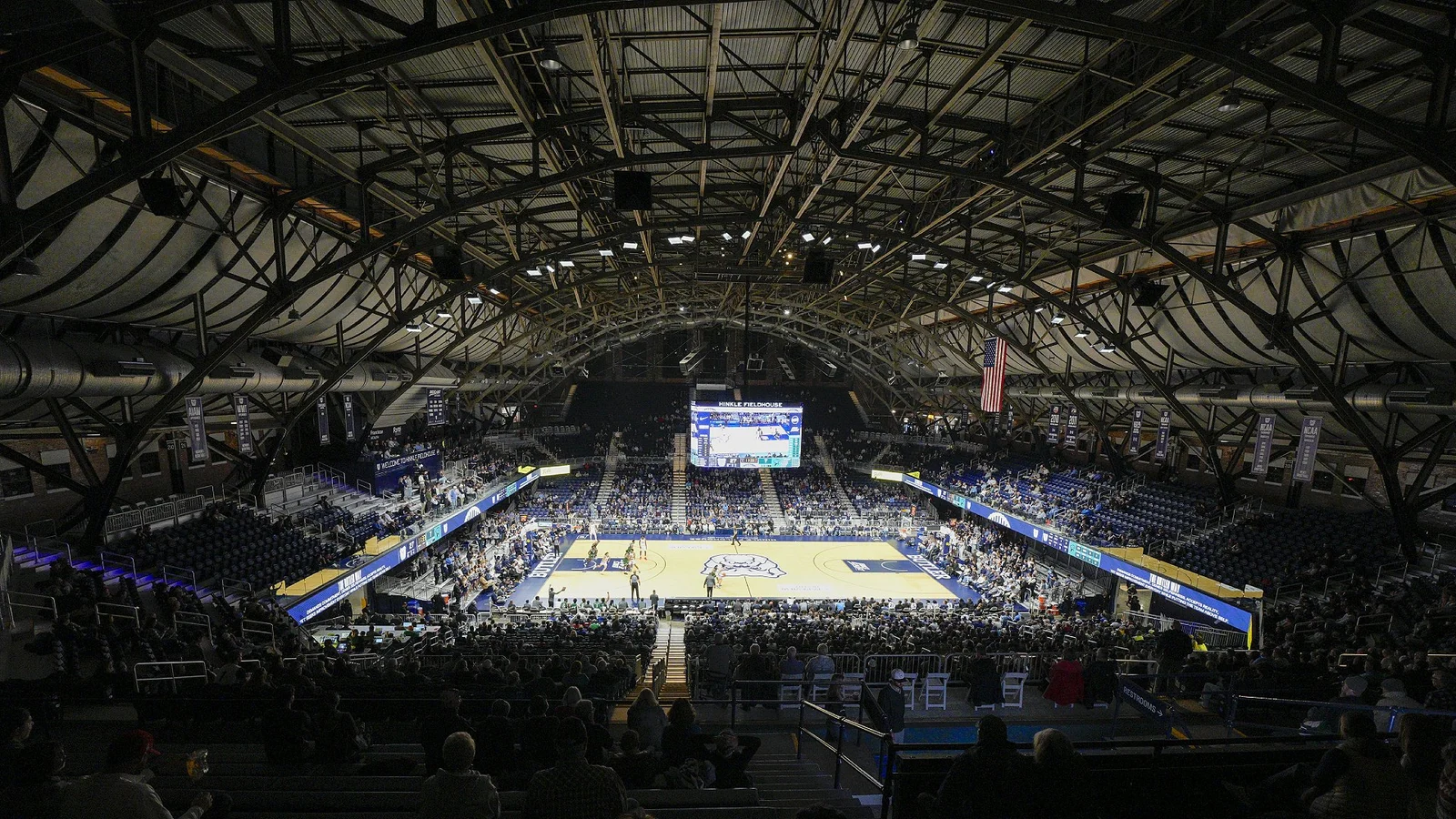
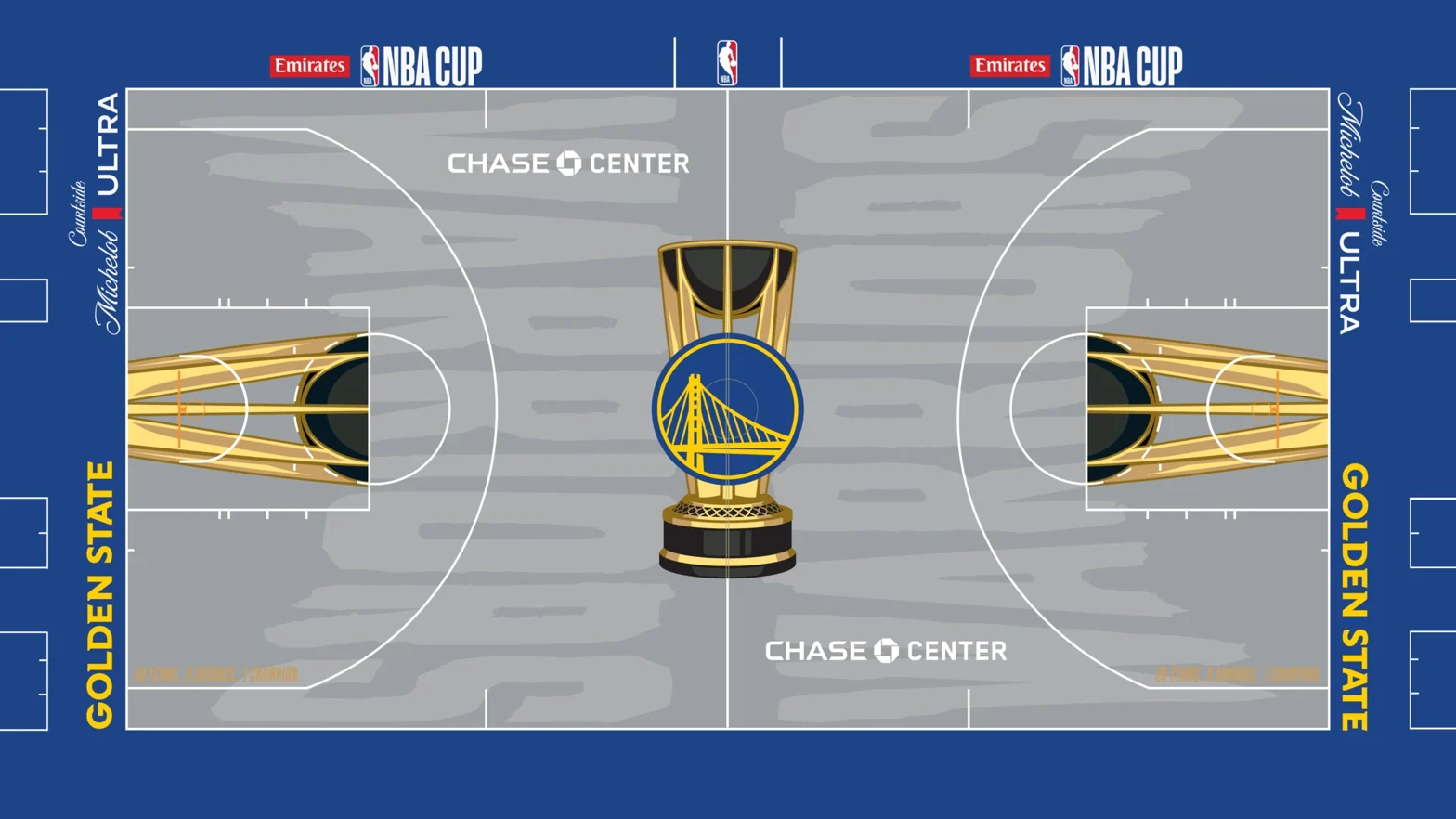
Once the field is set, switch to the knockout dates. The quarterfinals are scheduled for December 4 and 5, the semifinals for December 8 and/or 9, followed by the December 11 championship at Hinkle Fieldhouse in Indianapolis. Qualification answers who gets another Cup game. The bracket also answers where that game will be played. Wait for the official matchups before making travel plans or assuming a game will be in the arena of the team with the better regular-season record.
Apply the same care to teams that have won their groups. The best seeded group winner in each conference hosts the wild card. The other two group winners face each other on the court of the higher seed, and the higher seed hosts the conference’s semifinal in 2026. Two group winners can therefore know they have advanced and still need to compare their Cup records and eligible margins after Friday. See the league’s hosting rules before reading the group standings as a list of home teams.
Comments (0)
Share a useful tip or ask a question about this guide. Keep it friendly and on topic. Comments are checked before they appear.
No comments yet. Be the first to join the conversation.
Join the conversation
Sign in with Google to leave a comment.